
Why Correct Care Is Important for Casablanca Clothing
Casablanca clothing is built with superior fabrics, complex prints and meticulous craftsmanship that warrant its luxury price points. In 2026, with the retail of a single silk shirt sitting between 700 to 1 200 dollars and knitwear from 450 to 900 dollars, treating these garments with the same thought as basic basics is a fast path to wasted money. Correct maintenance safeguards the richness of prints, the softness of fabrics and the form of pieces, guaranteeing that each piece offers value over multiple seasons rather than a few months. Beyond defending your financial investment, careful care is an green decision: garments that endure longer produce less waste and lower the call for additional purchases. This guide delivers comprehensive, hands-on advice for treating every major fabric category in the Casablanca range—silk, cotton, knitwear, fleece and hybrid materials—along with keeping, spot management and fix strategies that will maximise the life of your wardrobe noticeably.
Maintaining Silk Shirts, Dresses and Scarves
Silk is the most fragile fabric in the Casablanca collection and demands the closest handling. Invariably check the care label first, as some silk pieces are marked specialist wash only while others permit soft hand-washing. For hand-washing, ready a bowl with lukewarm water no warmer than 30 degrees Celsius and pour in a conservative amount of gentle detergent purposely formulated for silk or fine fabrics. Immerse the garment, carefully agitate for one to two minutes without scrubbing or stretching, then drain and rinse with new cool water until all residue is cleared. To dry, lay the piece flat on a fresh casablanca paris clothing towel, wind the towel to press out excess water and then place the garment to a clotheshorse in a airy area away from intense sunlight and radiators. Never pull silk, as the fibres can distort for good, and never peg wet silk, as the load of the water can distort the fabric permanently. For eliminating wrinkles, use a compact steamer kept at a small space from the fabric rather than pressing directly with an iron, which can cause stains or singe marks on silk. If professional cleaning is simpler, choose a reliable cleaner knowledgeable about silk and insist that no heavy pressing should be done.
Looking After Cotton T-shirts, Hoodies and Sweatpants
Cotton pieces—such as T-shirts, hoodies, sweatpants and cotton shirts—are the most forgiving items in the Casablanca collection but still respond well to thoughtful handling. Flip all cotton garments reversed before washing to safeguard front-facing prints, embroidery and the visible side of the fabric from rubbing with other items in the machine. Use a gentle or delicate cycle at 30 degrees Celsius with a gentle fluid detergent; do not use granular detergents that can create deposits in fleece loops. Do not crowd the washing machine—garments deserve clearance to tumble and rinse fully. Do not use fabric softeners, which coat cotton material and gradually lessen the natural smooth feel and absorbency of fleece and terry cloth. For drying, drying naturally is consistently the best option: spread thick items like hoodies flat or hang them on padded hangers to prevent neckline stretching, and guarantee sufficient airflow to eliminate unpleasant scents. If you must use a machine dryer, pick the lowest heat setting and take out items while still a bit not fully dry to stop excessive drying, which leads to size loss and wears out stretch material in sleeve bands and waistbands. Regular care using these methods will maintain your cotton Casablanca pieces looking fresh and physically strong for years.
Casablanca Fabric Care Essential Overview
| Fabric | Cleaning | Max Heat | Drying | Special Notes |
|---|---|---|---|---|
| Silk | Hand wash / dry clean | Max 30 °C | Flat dry, no sun | No wringing, steamer only |
| Cotton (heavyweight) | Machine delicate cycle | 30 °C | Hang flat or hang | Inside out, no softener |
| Cotton (thin) | Machine delicate cycle | 30 °C | Hang or gentle tumble | Take out promptly |
| Knitwear (wool) | Hand-wash / delicate | Max 30 °C | Flat on rack | Reform while damp |
| Knitwear (cotton) | Machine in mesh bag | 30 °C | Flat on rack | Use fabric shaver |
| Terry cloth | Machine gentle cycle | 30–40 °C | Hang or low tumble | No softener |
Caring for Knitwear
Casablanca knitwear—ranging from lightweight cotton sweaters to merino crewnecks and cashmere-blend cardigans—requires a equilibrium between cleanliness and careful handling, because excessive washing hastens yarn breakdown and pilling. The most effective approach is to air out knitwear between wears, hanging it in a breathable space for several hours to release dampness and scents before storing. When washing is necessary, gently wash in lukewarm water with a gentle detergent or use a machine’s delicate cycle inside a protective garment bag. After washing, lightly push out water without twisting, lay the garment flat on a fresh towel and reform it to its intended proportions while moist. Drying flat avoids the sagging that happens when heavy wet knits are draped on hangers. Bobbling is a common occurrence with thin knitwear; using a lint remover or a cashmere comb periodically eliminates pills and restores a clean surface. Store knitwear neatly folded on flat surfaces rather than on hangers, as suspending can warp shoulders and elongate the body over time. Cedar balls or lavender sachets in closet drawers can serve to repel moths, which are lured by organic fibres like wool and cashmere.
Storage Guidelines
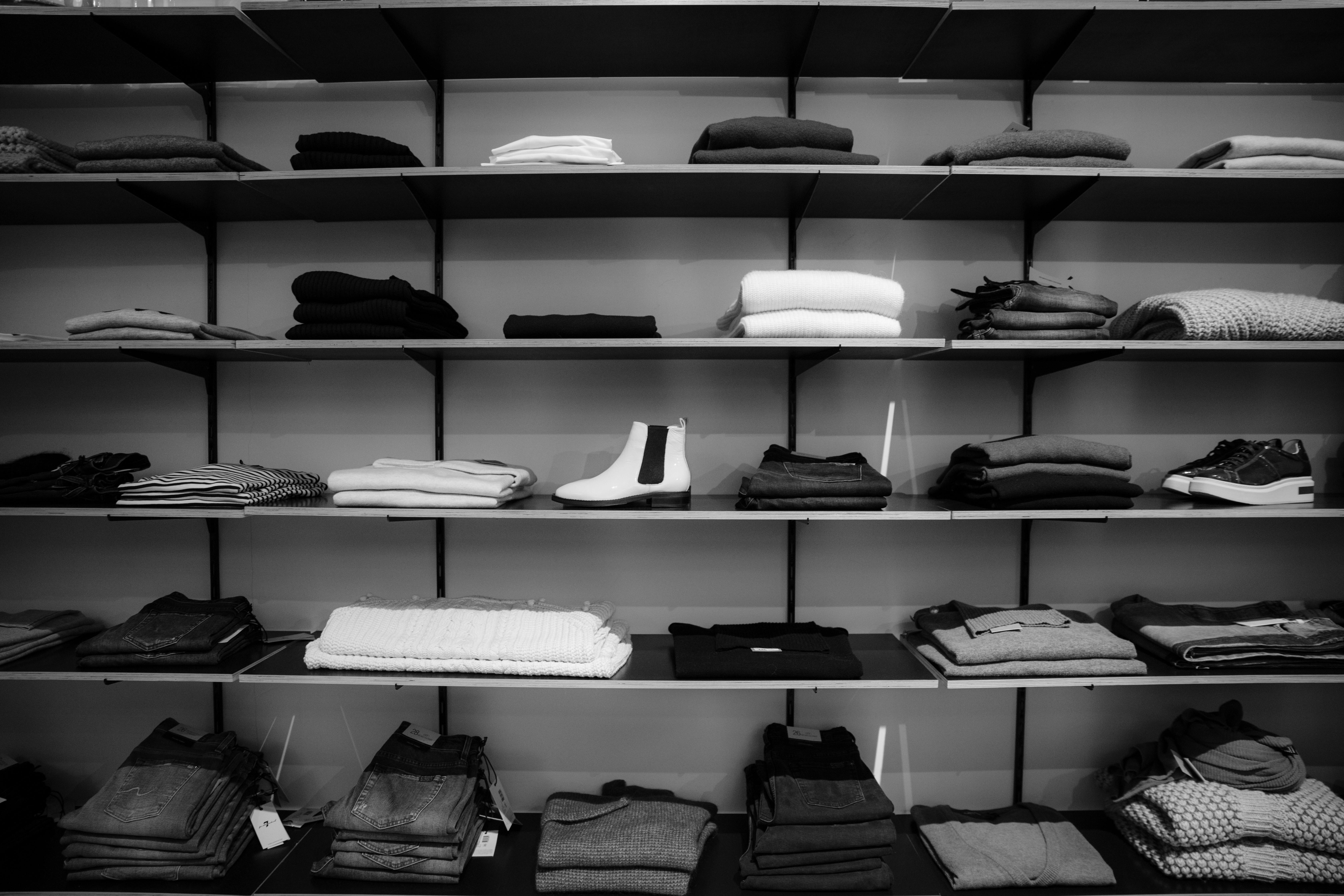
How you keep Casablanca clothing between wears and between cycles has a major influence on its durability. Shirts, blazers and outerwear should hang on shaped or broad wooden hangers that support the shoulders without causing dents. Skip wire hangers, which can produce marks and distort shape. Dense knitwear and sweatpants should be stacked and placed on shelves or in drawers, with denser items on the bottom to minimise crushing of thinner pieces above. For seasonal storage—such as storing winter items during summer—use natural fabric protectors rather than non-breathable covers, which lock in dampness and can produce yellowing or fungus. Place garments in a temperate, airy space with even temperature; skip attics, basements and garages where heat and moisture vary. Sunlight is one of the biggest risks of colour: even filtered light over sustained periods can bleach vivid prints and dyes, so keep off-season clothing away from windows. Occasionally review stored items for traces of moth damage or dampness, and address any issues without delay. These keeping habits are above all critical for graphic silk pieces, whose vivid colours are the most prone to atmospheric fading.
Stain Removal and Repairs
Stains are an natural part of enjoying clothes in the everyday world, and fast action is the strongest approach. For wet spills on any Casablanca fabric, dab at once with a fresh, unused cloth or paper towel—never scrub, as this drives the stain into the fibres and can widen it. For common stains like wine, coffee or food, press lightly with a cloth moistened in cold water and a small amount of gentle soap, going from the border of the stain inward to prevent widening. For oil-based stains, apply a modest amount of cornstarch or talcum powder on the mark, leave it absorb for 15 minutes, then brush away softly and treat with a soft detergent. Invariably apply any cleaning product on an discreet area of the garment first to detect fabric damage or material damage. For stubborn or extensive stains on silk, take the garment to a specialist cleaner immediately rather than trying home remedies that may lead to permanent damage. Small repairs—loose buttons, tiny seam gaps, caught threads—can be fixed at home with rudimentary mending skills or sent to a tailor. Tackling these problems without delay stops them from deteriorating during future wears and washes. With attentive stain management and timely repairs, Casablanca clothing can stay in superb state through several years of pleasure. For the brand’s own care guidelines, visit the product pages on casablancaparis.com and broader fabric care guides on The Spruce.